Frequently Asked Questions
The most-asked questions about fruits and vegetables.
What is the 'Fruits and Vegetables' franchise, exactly?
It is the collective body of edible plant produce that humans have cultivated for roughly 10,000 years, spanning thousands of species across every continent. Think of it as the longest-running series in the botanical world, with new varieties debuting every single year.
Who are the main 'characters' everyone keeps talking about?
The A-listers are tomatoes, bananas, apples, potatoes, and carrots — the produce that appear in the most recipes, markets, and cultural references worldwide. They function as the franchise's anchor cast, showing up in nearly every meal a person eats.
Where should a newcomer start?
Most long-time fans recommend beginning with accessible entries like bananas, apples, and leafy greens such as lettuce or spinach, since they are available year-round, inexpensive, and need minimal prep. Branching out to seasonal items — stone fruits in summer, root vegetables in winter — mirrors how veterans explore deeper cuts of the catalog.
What is the biggest 'canon' debate in the community?
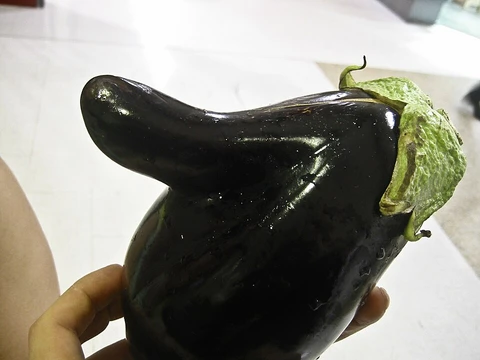
The tomato question — botanically a fruit because it develops from a flower and holds seeds, yet culinarily treated as a vegetable — is the franchise's most famous continuity dispute. Similar arguments flare up around cucumbers, peppers, and eggplants, and different cultural fandoms resolve them differently.
How is the franchise organized into families and arcs?
Produce is grouped into botanical families (Solanaceae for tomatoes and peppers, Brassicaceae for broccoli and kale, and so on) and further sorted into fruits, vegetables, legumes, or tubers depending on which plant part you eat. Seasonal availability acts as the release schedule, with each hemisphere getting a different airing window.
What are the most iconic 'moments' in the lore?
The domestication of wheat and rice around 10,000 years ago in the Fertile Crescent serves as the origin story, while the 16th-century Columbian Exchange — when tomatoes, potatoes, and maize crossed oceans — is the biggest plot twist. Many fans also point to the mid-20th-century Green Revolution as a season finale that reshaped global agriculture overnight.
Are there spin-offs or sub-franchises?
Herbs, legumes, nuts, and edible flowers are often treated as companion series sharing the same plant-kingdom studio but targeting a narrower audience. Some fans draw a hard line between them and core fruits and vegetables; others consider everything one sprawling universe.
What is the deal with heirloom versus modern varieties?
Heirlooms are open-pollinated cultivars passed down through generations, prized for flavor and genetic diversity, while modern hybrids are bred for yield, shelf life, and uniform appearance. The fandom split between purists who champion heirlooms and progressives who favor high-output hybrids is one of the most heated ongoing debates.
Can I participate hands-on, like fan art or cosplay?
Home gardening, community plots, and even a windowsill herb pot are the franchise's equivalent of fan art and cosplay. You do not need acreage; a single tomato plant or a bunch of basil on a sunny sill makes you an active participant in the community.
Is the franchise still ongoing?
Yes — breeders release new cultivars every year, and wild relatives of common produce are still being found in tropical forests and highland regions. The series shows no signs of cancellation, and each decade introduces new characters that challenge long-held assumptions about what counts as food.